Discover Hopelove: A Whimsical Script Font That Elevates Design and Branding
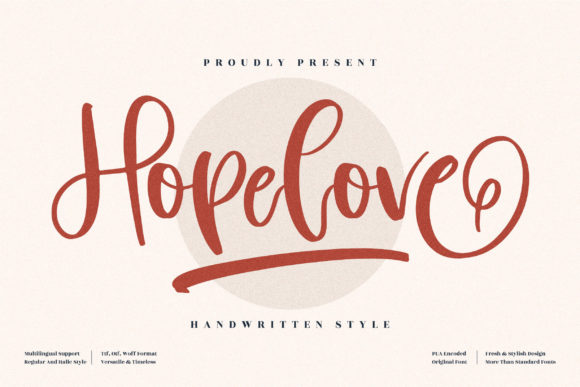
In an era where visual storytelling has become a cornerstone of communication, the right typography can transform a simple message into a compelling narrative. Enter Hopelove, a sweet, whimsical, and flowing script font that captures the essence of elegance with a touch of playfulness. Designed for those who appreciate the artistry in every detail, Hopelove is more than just a font—it's a statement.
Hopelove features characters that dance along the baseline, creating a sense of movement and fluidity that is both captivating and versatile. This unique quality allows it to be used across a wide range of creative fields, from branding and marketing to editorial design and digital content creation. Whether you're crafting a logo, designing a website, or producing a print piece, Hopelove brings a luxury spark that elevates any project.
The Rise of Whimsical Typography in Modern Design
The design industry has seen a growing trend toward more expressive and emotive typography. As brands strive to connect with their audiences on a deeper level, they are turning to fonts that evoke emotion and personality. Hopelove fits perfectly within this movement, offering a blend of sophistication and charm that resonates with both professionals and consumers alike.
With the rise of minimalism and clean design aesthetics, there's also a counter-movement toward more ornate and expressive typefaces. This duality reflects changing consumer preferences, where people seek authenticity and emotional resonance in the brands they support. Hopelove meets this demand by providing a font that feels personal, handcrafted, and full of character.
Marketers and brand strategists are increasingly recognizing the power of typography in shaping brand identity. A well-chosen font can convey values, moods, and even cultural relevance. For instance, a boutique clothing brand might use Hopelove in its packaging to communicate a sense of intimacy and care, while a lifestyle blog could incorporate it into its headers to create a warm and inviting atmosphere.
Why Hopelove Is Capturing Attention in Creative Circles
Designers, entrepreneurs, and creators are paying attention to Hopelove because it offers something unique in a crowded marketplace. In a world saturated with sans-serif and serif fonts, Hopelove stands out with its flowing, organic feel. It's not just a font—it's an experience.
One of the key reasons people are drawn to Hopelove is its adaptability. While it may seem like a script font best suited for formal or romantic contexts, its versatility makes it suitable for a variety of applications. From wedding invitations to product labels, from social media posts to corporate presentations, Hopelove adds a touch of elegance without being overdone.
Moreover, the increasing importance of user experience (UX) in digital design has made readability and aesthetics more critical than ever. Hopelove strikes a balance between visual appeal and legibility, making it a practical choice for both print and digital media. Its flowing lines and soft curves are visually pleasing, yet the characters remain distinct and easy to read, even at smaller sizes.
Another factor contributing to its popularity is the shift toward more personalized and human-centric design. Consumers today prefer brands that feel authentic and relatable. Hopelove contributes to this by adding a sense of warmth and approachability to any design, helping brands build stronger emotional connections with their audiences.
Practical Applications of Hopelove in Real-World Projects
Let’s explore how Hopelove can be used in real-world scenarios to enhance the visual impact of a project:
- Branding and Logos: A boutique skincare company could use Hopelove in its logo to convey a sense of natural beauty and care. The font's soft, flowing style would complement the brand's image and create a memorable visual identity.
- Marketing Materials: Wedding planners might incorporate Hopelove into their promotional materials, such as brochures or social media graphics, to create a romantic and enchanting atmosphere that appeals to couples planning their special day.
- Web Design: A lifestyle blog focused on mindfulness and self-care could use Hopelove in its headings and call-to-action buttons to create a calming and inviting online presence.
- Packaging Design: Luxury chocolate brands could use Hopelove on their packaging to evoke a sense of indulgence and delight, making the product stand out on store shelves.
These examples illustrate how Hopelove can be integrated into different industries and projects to achieve specific design goals. Its ability to add a touch of whimsy and elegance makes it a valuable asset for designers looking to make their work stand out.
Connecting Typography to Broader Trends in Business and Technology
The growing interest in Hopelove is not just about aesthetics—it's also reflective of broader trends in business and technology. As companies invest more in their brand identities and customer experiences, the role of typography has expanded beyond mere text formatting. Fonts now serve as powerful tools for storytelling, differentiation, and emotional engagement.
In the digital age, where attention spans are shorter and competition is fiercer, brands need to capture the audience's interest quickly. Typography plays a crucial role in this process. A font like Hopelove can help a brand stand out in a sea of generic designs by creating a unique and memorable visual signature.
Additionally, the rise of AI and automation in design has made it easier for creators to experiment with new fonts and styles. Tools like Adobe Fonts and Google Fonts provide access to a vast library of typefaces, including Hopelove, allowing designers to integrate them seamlessly into their workflows. This accessibility has contributed to the font's growing popularity, as more professionals discover its potential.
From a technological standpoint, the development of responsive web design has also influenced the way fonts are used. With the need for content to look good on all devices, designers must choose fonts that maintain their visual appeal across different screen sizes. Hopelove meets this challenge by maintaining its elegance and readability whether viewed on a smartphone, tablet, or desktop.
The Future of Typography and the Role of Fonts Like Hopelove
As we move forward, the importance of typography in design will only continue to grow. With the increasing focus on user experience, brand identity, and emotional connection, fonts like Hopelove will play a vital role in shaping the future of visual communication.
Looking ahead, we can expect to see more experimentation with expressive and emotive typefaces that reflect the evolving needs and preferences of consumers. Brands will continue to seek ways to differentiate themselves through unique visual elements, and Hopelove offers a compelling option for those looking to add a touch of personality and charm to their designs.
For creators, entrepreneurs, and marketers, Hopelove represents more than just a font—it's a tool for storytelling, connection, and expression. As the design landscape continues to evolve, the ability to choose a font that aligns with a brand's voice and vision will become increasingly important.
In conclusion, Hopelove is a testament to the power of thoughtful typography in modern design. Its whimsical, flowing style and luxurious appeal make it a valuable addition to any creative project. Whether you're a professional designer or an aspiring entrepreneur, Hopelove offers a unique opportunity to elevate your work and leave a lasting impression on your audience.