Angin Senja: A Stylish Script Font for Elevating Design Projects
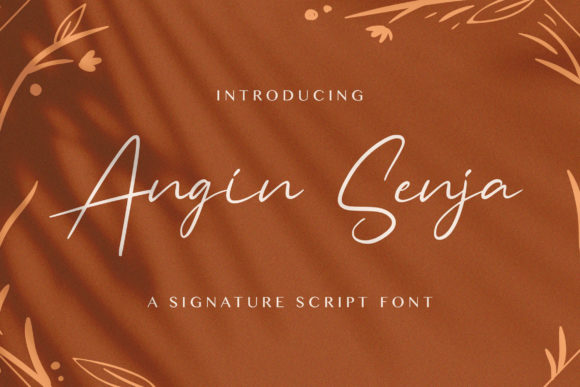
Angin Senja is a beautiful and stylish script font that brings elegance and sophistication to any design project. Its flowing characters, which dance along the baseline, offer a unique visual appeal that can transform ordinary text into something truly luxurious. Whether you're designing logos, creating marketing materials, or crafting digital content, Angin Senja provides a refined touch that stands out in today's visually driven world.
Understanding the Role of Angin Senja in Design Workflows
Incorporating Angin Senja into your workflow requires an understanding of its characteristics and how it interacts with other design elements. As a script font, it is best suited for headings, titles, and short phrases rather than long blocks of text. This makes it ideal for use in branding, invitations, and web banners where impact and style are key.
Before starting a design project, consider how Angin Senja will fit within the overall aesthetic. It pairs well with sans-serif fonts for a balanced look, allowing for clear readability while maintaining a touch of luxury. This compatibility ensures that your designs remain professional yet visually engaging.
Integration During the Design Process
During the design process, using Angin Senja involves selecting the right tools and platforms that support this font. Most graphic design software, such as Adobe Illustrator or Photoshop, allows for easy integration of custom fonts. Additionally, online tools like Canva or Figma provide access to a wide range of fonts, including Angin Senja, making it accessible for both professionals and hobbyists.
When working on a project, it's important to maintain consistency in font usage. Establishing a style guide that includes Angin Senja as the primary font for headlines can ensure that all design elements align seamlessly. This approach not only enhances the visual appeal but also reinforces brand identity across different media.
Practical Use Cases for Angin Senja
Angin Senja can be used in various stages of a creative project. For instance, during the initial brainstorming phase, it can be employed to create mood boards or mockups that convey the desired tone and style. Its elegant appearance can help set the direction for the project, influencing color schemes and layout choices.
Once the design concept is finalized, Angin Senja becomes a crucial element in the execution phase. It can be used for finalizing headlines, call-to-action buttons, and other prominent text elements. Its distinctive style ensures that these elements capture attention without overwhelming the viewer.
After the project is completed, Angin Senja can still play a role in post-production tasks such as proofreading and quality control. Ensuring that the font renders correctly across different devices and screen sizes is essential for maintaining the intended visual impact.
Collaboration and Compatibility Considerations
When working with others on a project, it's important to ensure that everyone has access to Angin Senja. Sharing font files or using cloud-based design tools can facilitate collaboration and prevent inconsistencies in the final output. Additionally, considering the file format and embedding options can help avoid issues related to font rendering.
Compatibility with different platforms and operating systems should also be taken into account. Testing the font across various devices and browsers can help identify any potential issues before the final release. This proactive approach ensures that the design remains consistent and visually appealing regardless of the viewing environment.
Implementation Tips and Workflow Examples
To effectively integrate Angin Senja into your workflow, start by defining its purpose within the project. If you're creating a logo, use it for the main title to highlight the brand name. If you're designing a brochure, apply it to section headers to add visual interest without compromising readability.
Another practical tip is to experiment with different weights and styles of Angin Senja. While it is primarily a script font, variations in thickness and stroke width can enhance its versatility. These subtle adjustments can make the font more suitable for different contexts and applications.
For example, when designing a wedding invitation, Angin Senja can be used for the main heading, while a complementary sans-serif font can be used for the body text. This combination creates a harmonious balance between elegance and clarity, ensuring that the message is communicated effectively.
Long-Term Use and Maintenance
As with any design asset, regular maintenance and updates are essential for long-term use. Keeping track of font versions and ensuring that they are compatible with the latest software can prevent technical issues down the line. Additionally, organizing your font library by category and project type can streamline the design process and improve efficiency.
Creating backups of your font files and storing them in a secure location can also be beneficial. This practice helps protect against data loss and ensures that you have access to Angin Senja whenever needed. Incorporating these habits into your routine can significantly enhance your productivity and reduce the risk of disruptions.
Conclusion
Angin Senja is more than just a font; it's a versatile tool that can elevate the quality and impact of your design projects. By understanding its role in different stages of the creative process and integrating it thoughtfully into your workflow, you can achieve stunning results that reflect both professionalism and creativity. Whether you're a seasoned designer or a beginner, Angin Senja offers a unique opportunity to add a touch of luxury to your work.