Simple Flower: A Whimsical Script Font for Strategic Creativity
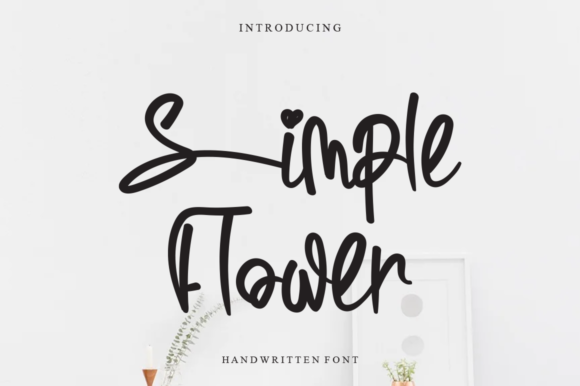
In the world of typography, where every letter can shape perception and influence engagement, Simple Flower stands out as a unique and versatile asset. This whimsical script font carries a relaxed theme and a lovely style that can enhance a wide range of creative projects. Whether you're designing branding materials, crafting digital content, or working on print media, Simple Flower has the potential to elevate your work with its elegant and approachable aesthetic.
Understanding Simple Flower and Its Strategic Value
Simple Flower is more than just a font—it's a design choice that communicates tone, emotion, and intent. With its soft curves and gentle strokes, it exudes a sense of warmth and approachability. This makes it particularly well-suited for brands or projects that aim to convey a friendly, inviting, or artistic vibe.
For professionals in marketing, branding, or content creation, incorporating Simple Flower into their visual strategy can help align typography with brand personality. It’s especially effective when used in logos, headlines, or promotional materials where a balance between professionalism and charm is needed.
However, its value lies not only in aesthetics but also in how it supports strategic goals. When used thoughtfully, Simple Flower can reinforce messaging, guide attention, and create a cohesive visual narrative that resonates with audiences.
Strategic Use Cases for Simple Flower
The versatility of Simple Flower means it can be applied across various use cases. Here are some practical examples of where this font can make a meaningful impact:
- Brand Identity: Incorporating Simple Flower into a logo or tagline can help establish a brand’s personality. It works well for businesses in the wellness, lifestyle, or creative industries where a warm and welcoming tone is essential.
- Marketing Materials: From social media posts to email newsletters, Simple Flower can add a touch of elegance without overwhelming the reader. It’s ideal for headlines or call-to-action buttons that need to stand out while maintaining readability.
- Print Design: Invitations, packaging, and book covers benefit from the soft, flowing lines of Simple Flower. It adds a personal touch that can make printed materials feel more handcrafted and authentic.
- Web Design: When used sparingly, Simple Flower can enhance the visual appeal of websites. It's particularly useful for headings, navigation menus, or section titles where a bit of character can make a difference.
Each of these use cases requires careful consideration of context, audience, and purpose. The goal is not to use Simple Flower for the sake of novelty, but to ensure it aligns with the intended message and enhances the overall experience.
Planning Your Approach with Simple Flower
Before relying on Simple Flower for any project, it’s important to consider several factors:
- Context: Understand the environment in which the font will be used. Will it appear on a website, in print, or within a digital campaign? Each medium may require different adjustments in size, spacing, and contrast.
- Audience: Who are you trying to reach? Simple Flower may resonate more with younger, creative audiences or those who appreciate a more organic, hand-written feel. Ensure it aligns with the preferences and expectations of your target demographic.
- Readability: While Simple Flower is visually appealing, it’s crucial to maintain legibility. Avoid using it in long blocks of text where it might become difficult to read. Instead, reserve it for short phrases or emphasis.
- Consistency: If you’re using Simple Flower alongside other fonts, ensure there’s a clear hierarchy and consistency in style. This helps prevent visual clutter and keeps the design focused.
By taking these considerations into account, you can plan a more intentional and effective use of Simple Flower that supports your creative and strategic objectives.
Enhancing Communication and Branding with Simple Flower
Typography plays a key role in communication. The right font can evoke emotions, convey trust, and even influence behavior. Simple Flower, with its whimsical yet refined style, can serve as a subtle but powerful tool for enhancing brand messaging.
For instance, if you're launching a new product line with a focus on sustainability, using Simple Flower in your promotional materials can reinforce a natural, eco-friendly image. Similarly, if you're creating content for a children’s educational platform, the font’s playful nature can help engage young audiences and create a more immersive experience.
When integrated into a broader branding strategy, Simple Flower can help differentiate your brand from competitors and create a lasting impression. It’s not just about looking good—it’s about feeling right.
Potential Risks and How to Avoid Them
While Simple Flower offers many benefits, there are also risks associated with its use if not approached strategically. One common pitfall is overusing the font in ways that compromise readability or distract from the main message. Another risk is applying it in contexts where it doesn’t align with the brand’s identity or audience expectations.
To avoid these issues, always test Simple Flower in different scenarios before finalizing a design. Consider how it looks at various sizes, on different backgrounds, and in combination with other elements. Additionally, seek feedback from others—especially those who represent your target audience—to ensure the font serves its intended purpose effectively.
Remember, the goal is not to use Simple Flower simply because it’s beautiful, but because it contributes meaningfully to your communication and strategic outcomes.
Integrating Simple Flower into Long-Term Creative Strategies
For creators, marketers, and business owners, integrating Simple Flower into long-term strategies can lead to more consistent and impactful results. This includes using it across all customer touchpoints—from website design to packaging and social media visuals.
One way to do this is by developing a brand style guide that includes specific guidelines for font usage. This ensures that Simple Flower is used consistently and appropriately across all platforms, reinforcing brand recognition and building trust with your audience.
Additionally, consider how Simple Flower can be paired with other design elements such as colors, imagery, and layout. A cohesive visual identity that incorporates thoughtful typography can significantly enhance user experience and drive better engagement.
Ultimately, the key to success with Simple Flower is intentionality. It should be used as part of a broader creative and strategic framework that supports your goals and delivers value to your audience.